



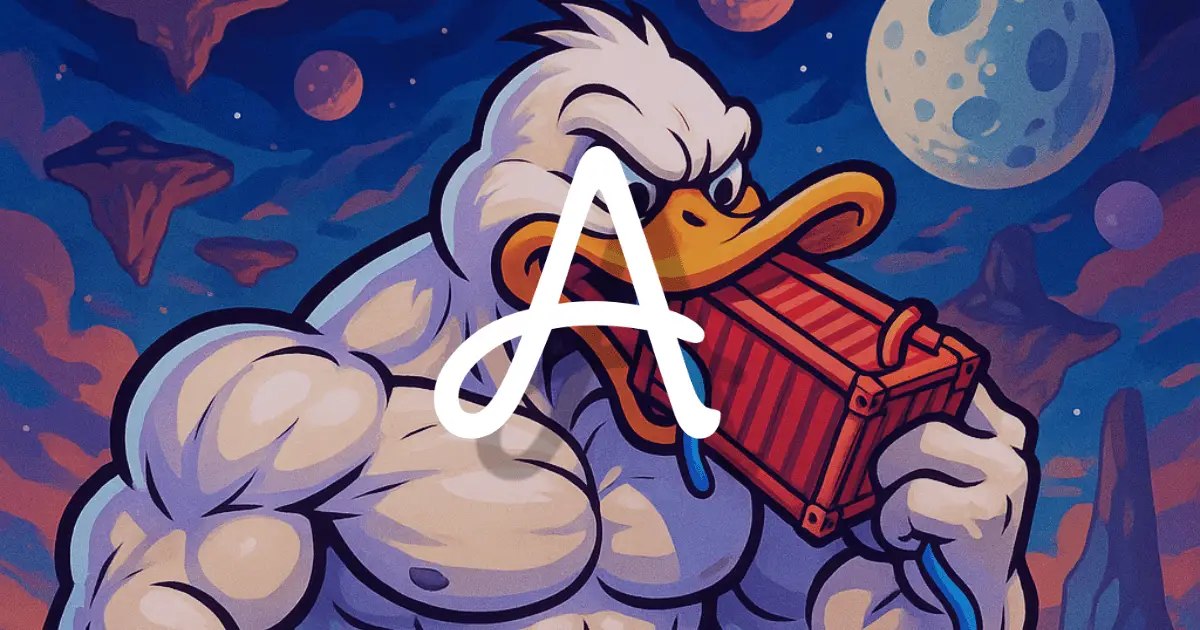
AI Slop refers to low-quality, mass-produced content generated by artificial intelligence tools, often created with minimal effort or care for accuracy and artistic integrity. This phenomenon is rapidly reshaping online spaces and media platforms, as algorithm-driven channels and creators flood the internet with cheap, fast, and formulaic AI-generated content across images, videos, audio, and text.
AI use is impressive these days. From getting AI-generated images ready in seconds to asking ChatGPT write an email for your leave application. People are using AI generated answers left, right and centre.
What is AI Slop?
AI Slop is a pejorative term for digital clutter like spam, describing content that prioritizes speed and quantity over substance and quality. It includes everything from bot-written articles and bland AI art to uncanny videos and recycled memes, all delivered by generative AI algorithms and distributed for clicks, views, or profit.
Algorithmic Spread and Fastest-Growing Channels
AI Slop is taking over many of the internet’s fastest-growing channels, especially on platforms like YouTube and TikTok. Investigations reveal that nine of the top 100 fastest-growing YouTube channels in 2025 feature AI-generated content, with themes such as deepfake sports or soap opera-style stories, often earning millions of views. These algorithm-driven channels favour output that stimulates engagement regardless of informational value.
Economic Incentives and Content Submission
People now submit AI Slop to publications, streaming services, and content platforms because AI tools make it trivially easy to generate acceptable-looking work at scale. Many digital magazines, including Clarkesworld, have had to halt submissions due to overwhelming floods of AI-generated articles, while sites like Wikipedia struggle with moderation overload from low-quality AI entries.
Risks: Deepfakes, Misinformation & Creator Impact
AI Slop forces users and content consumers to be on guard for deepfakes and inauthentic social media accounts. Misinformation campaigns exploit the ease of AI generation to create convincing fake imagery and news, sometimes influencing public opinion or damaging reputations. Traditional artists, writers, and media professionals face economic and creative displacement as algorithms crowd out genuine creators.
Why AI Slop Matters for the Internet
Increasing use of AI is now taking over the online world. People submit AI slop to gain interest and traffic on their websites or video platforms. Here is why it matters:
- It erodes trust in online content by blending real and artificial media, requiring vigilance against manipulation and harmful deepfakes.
- Algorithmic prioritization makes slop omnipresent, side-lining higher-quality, meaningful work and saturating feeds with formulaic, low-effort material.
- The proliferation of AI Slop threatens the reliability and diversity of information sources, impacting everyone from casual users to educators and researchers.
What Can Be Done?
Some platforms have introduced reporting features, community notes, or stricter moderation, but the rapid acceleration of generative AI means users, publishers, and technologists must be vigilant and adapt strategies to identify and limit AI Slop.
Consumers can stay informed, promote responsible content creation, and put guars for deepfakes can help the entire generative AI ecosystem go in the right direction. Creators who previously made original content can get boost of productivity with generated images and stuff. But, we need to make sure that the harmful or problematic content stays away, be it images in your social media or harmful content created for political propaganda.
