



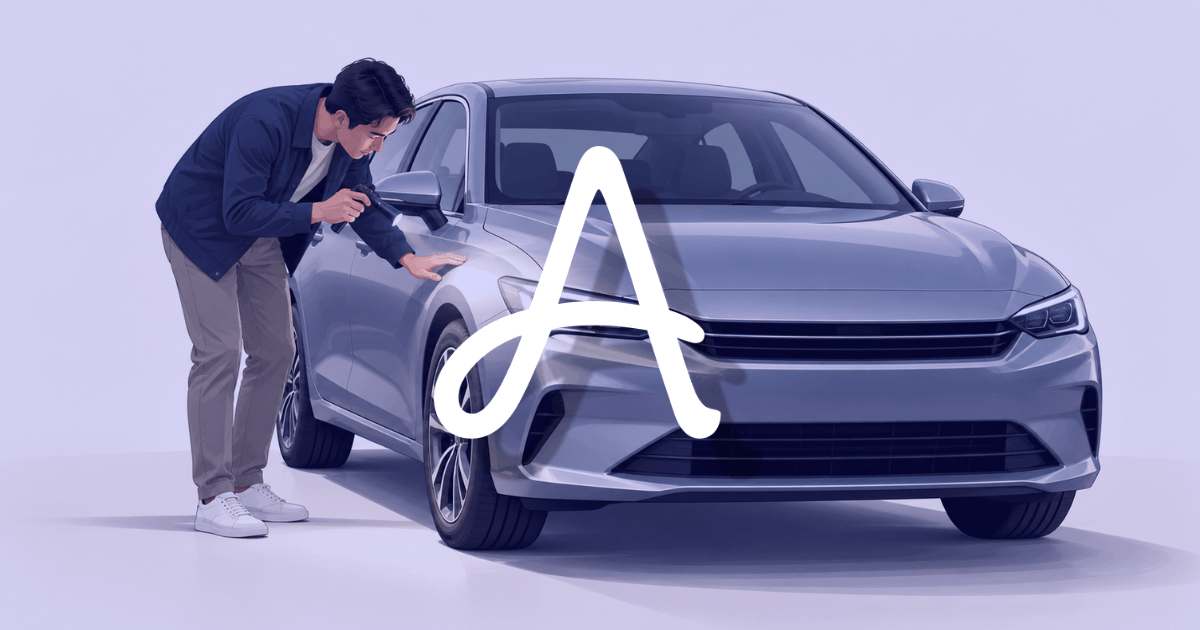
A pre-delivery inspection is your chance to check the actual car allotted to you before accepting it. Start with the VIN and booked variant, inspect the body and cabin, test the fitted equipment, and match the paperwork to the vehicle. Record unresolved issues before signing the delivery acknowledgement.
For car buying in India, arrange the inspection with the dealer before the final payment and registration process wherever possible. Agree on that sequence in advance, including any lender requirements. Then repeat the essential checks on the day of new car delivery.
Before your pre-delivery inspection
Ask for a daylight appointment with the car clean, dry and parked where you can walk around it. Bring your booking confirmation, agreed quotation, variant equipment list, phone, torch and a charging cable. If you want an independent inspector, confirm access and permitted checks with the dealer beforehand.
Ask the dealer to keep its completed PDI record available. Your checks complement the dealer’s technical inspection; a visual checklist cannot establish the condition of every hidden component.
Car delivery inspection checklist in India
Work through the following sections and mark each item as checked, needs attention or not applicable. Test only equipment included with your exact variant.
1. Confirm that this is the car you booked
- Vehicle identity: Ask the representative to show you the VIN or chassis number on the car. Photograph it and compare it with the allotment details and available vehicle documents.
- Specification: Match the variant, fuel type, gearbox, colour, upholstery and agreed equipment to your order.
- Manufacturing details: Ask for the manufacturing month and year from the manufacturer’s vehicle records or label. Have the dealer explain the brand’s identification method instead of relying on a generic online VIN decoder.
- Odometer: Photograph the total distance reading, not the resettable trip meter. Ask the dealer to explain the recorded distance and any movement between the stockyard and showroom.
Do not treat one internet mileage cutoff as proof that a car is acceptable or unacceptable. Assess the reading alongside its documented movement, physical condition and the dealer’s explanation. If the build date is older than agreed, resolve that discrepancy before proceeding.
2. Walk around the body, glass and wheels
- Look along each panel from different angles for dents, scratches, uneven paint finish, overspray or a noticeable colour mismatch.
- Check bumpers, roof, door edges, sills and mirror housings. Ask for a closer inspection of areas hidden by ribbons or protective wrapping.
- Open and close every door, the bonnet and the boot. Check for catching, loose trim, damaged seals or a panel that sits unusually out of line.
- Inspect the windscreen, windows and lamp lenses for cracks or chips.
- Look for cuts, bulges and unusual wear on the tyres, and damage to wheel rims. Check that the fitted tyre sizes match the vehicle specification.
- Confirm the supplied spare wheel or puncture-repair kit against the equipment list. Check any sealant expiry date.
Ask the technician to set tyre pressures to the vehicle’s specified cold pressures. Use the vehicle label or owner’s manual, rather than the maximum pressure printed on the tyre. Our guide to nitrogen versus normal air in tyres explains the separate question of what to inflate them with.
A paint difference or an uneven gap is a reason to investigate, not proof of an accident. Ask for a written explanation of any repair or repainting and consider a qualified inspection if the answer is unclear.
3. Check the cabin and everyday controls
- Inspect seats, headlining, carpets and boot lining for tears, stains, dampness or loose fittings. With permission, lift removable mats and the boot floor.
- Try seat adjustment, head restraints, seat-belt buckles and belt retraction at every seating position.
- Operate windows, mirrors, locks and boot release. Test each supplied key or fob individually.
- Run the air conditioning, blower settings and demisting controls. Check rear vents if fitted.
- Test the horn, interior lights, headlights, indicators, brake lights and reversing lights with the representative’s help.
- Try the wipers and washers on wet glass.
- Pair your phone, play audio and test the USB charging ports. Check cameras, parking sensors and steering-wheel controls where fitted.
- Operate the sunroof normally if equipped and inspect its surrounding trim and seals.
Check that fitted floor mats are secured and do not obstruct the pedals. For connected-car features, confirm how to activate your own account and which services require a subscription.
4. Ask the technician to demonstrate the mechanical checks
With the car safely parked, ask the technician to show the relevant fluid levels, inspect for leaks and demonstrate a normal start. Keep clear of moving parts and hot surfaces, and never open a hot coolant-system cap. Request a workshop lift inspection if there is a concern underneath; do not crawl under a car supported only by a jack.
Watch the instrument cluster during startup. Some lamps illuminate for self-checks, while others reflect conditions such as an applied parking brake. Have the representative explain any warning that remains, using the manual for your model. Do not accept an unexplained safety-system warning as something that will automatically disappear. Our explanation of how ABS works and what its warning light means provides useful background.
If a short drive is permitted and the registration, insurance and driving arrangements are appropriate, check gentle acceleration, gear selection, steering and normal braking. Ask the technician to investigate pulling, vibration, grinding or repeated hesitation. Do not deliberately trigger emergency braking or ADAS interventions.
5. Add the checks relevant to your powertrain
- Electric car: Ask for a charging demonstration, including connecting, stopping and releasing the connector. Inspect the supplied cable externally, confirm the promised charger and installation arrangements, and check the charge available for your journey home. Do not touch connector contacts or high-voltage components.
- Hybrid: Ask how to recognise the ready-to-drive state and the normal dashboard indications. Use the model’s manual to understand when the petrol engine operates.
- Factory CNG: Ask the technician to demonstrate the fuel selector, explain the indicators and show the supplied CNG documentation. Have any suspected gas leak professionally checked before using the car.
For an EV, a dashboard range estimate alone does not establish battery health. If you have a specific battery concern, request an authorised diagnostic assessment.
Documents and items to check at new car delivery
Match your name, vehicle identity and purchase details across the documents. Keep copies of the final paperwork and payment receipts.
- Invoice and payments: Reconcile the final invoice, accessories and agreed extras with the quotation. Ask for an explanation of any difference.
- Insurance: Verify the vehicle details, cover start date, policy periods and purchased add-ons against the issued policy.
- Registration: Confirm the registration status, allotted number where issued, and applicable number-plate arrangements. A payment receipt alone is not evidence that registration has been granted.
- Registration documents: Parivahan lists Form 21 as the sales certificate and Form 22 as the manufacturer’s roadworthiness certificate. Ask for copies or confirmation of their submission, together with relevant registration and tax receipts.
- Warranty and service: Confirm recorded warranty dates, purchased extended cover, roadside-assistance details and the first service due under the model’s schedule.
- Handover kit: Count the promised keys, tools, manuals and accessories against the delivery list. Check the jack, wheel tools or repair kit as applicable to your car.
Before driving away on a public road, ensure valid registration, including temporary registration where applicable, and valid insurance are in place. Confirm state-specific paperwork with the dealer and the relevant transport authority.
What to do if you find a problem
Photograph the issue, identify its exact location and record the VIN, odometer reading and inspection date. Ask the dealer to acknowledge the concern in writing, with the proposed remedy and a reinspection date.
- Identity mismatch, suspected major damage or a safety concern: Pause acceptance and request a documented assessment from the dealer’s service manager. Escalate to manufacturer customer care if it remains unresolved.
- Cosmetic defect or missing item: Agree on the exact correction or supply commitment in writing. Inspect the completed work before deciding whether to accept the car.
- A feature you cannot verify: Record it as untested, with a reason and a follow-up arrangement, rather than marking it satisfactory.
Do not sign a blanket satisfactory-condition declaration that conflicts with your findings. If you want a different vehicle or cancellation, check your booking terms and obtain a written response; a checklist cannot promise a particular remedy.
On delivery day, match the VIN again, recheck repaired areas and confirm the final odometer reading, keys, documents and supplied items. Photograph the car’s condition before leaving.
Frequently asked questions
Should I inspect the car before registration or only on delivery day?
Request access to the allotted car before final payment and registration wherever possible, and agree on the process early. Inspect it again at handover because it may have been moved or had accessories fitted since your first visit.
How many kilometres are acceptable on a new car?
A number alone should not decide acceptance. Record the odometer reading, ask how the distance accumulated and assess whether the explanation matches the car’s condition and movement records. Request further checks if there is unexplained distance or visible wear.
Do I need a professional PDI inspector?
You can perform the visible and functional checks in this guide yourself. A qualified inspector can help assess paintwork, underbody concerns or diagnostic findings beyond your experience. Agree on access and scope with the dealer, and ask the inspector for a written report identifying any limitations.
Does the dealer’s PDI replace my own inspection?
Ask for the dealer’s completed record, but still verify the actual car, agreed equipment and delivery documents yourself. Neither a dealer record nor a buyer’s visual inspection guarantees that every hidden defect will be detected.
